Island Heritage
Born on an Island
Golden-colored goats have lived on the tiny island of Guernsey for generations, giving this rare breed both its name and its island heritage.

The Breed
A rare dairy goat with a remarkable story.
Golden Guernseys are a rare dairy breed from the Channel Islands, known for their golden coats, moderate size, and famously gentle personalities.
A Remarkable History
The Golden Guernsey's story begins on a small island and includes rarity, war, determined breeders, and one woman who refused to let these little golden goats disappear.
Island Heritage
Golden-colored goats have lived on the tiny island of Guernsey for generations, giving this rare breed both its name and its island heritage.
Early 1900s
By the early 1900s, Guernsey's golden goats were becoming dangerously rare. Miriam Milbourne began gathering and breeding them, helping give the little golden goats a fighting chance.
World War II
During WWII, Nazi forces occupying Guernsey were taking and slaughtering livestock for food. Miriam Milbourne hid her Golden Guernseys indoors to keep them safe. Her courage helped preserve the breed.
1971
After WWII, dedicated breeders helped the tiny population grow. In 1971, the Golden Guernsey gained official recognition with the British Goat Society.
Coming to America
Eight adult goats founded the pure Golden Guernsey population in the United States.
1996
Strict animal-health rules made bringing Golden Guernseys to America difficult. Breeders found another way: embryos from British goats traveled to Canada.
1998
The first embryo-transfer kids were born. Just eight survived to adulthood and became the foundation of the pure Golden Guernsey population in the United States.
Today
Every pure Golden Guernsey in the United States descends from those eight goats.
A Royal Breed
In 2024, King Charles III granted the Golden Guernsey a Royal title: the Royal Golden Guernsey Goat.
The honor recognizes a breed that survived extraordinary odds and generations of work by the people who protected it.
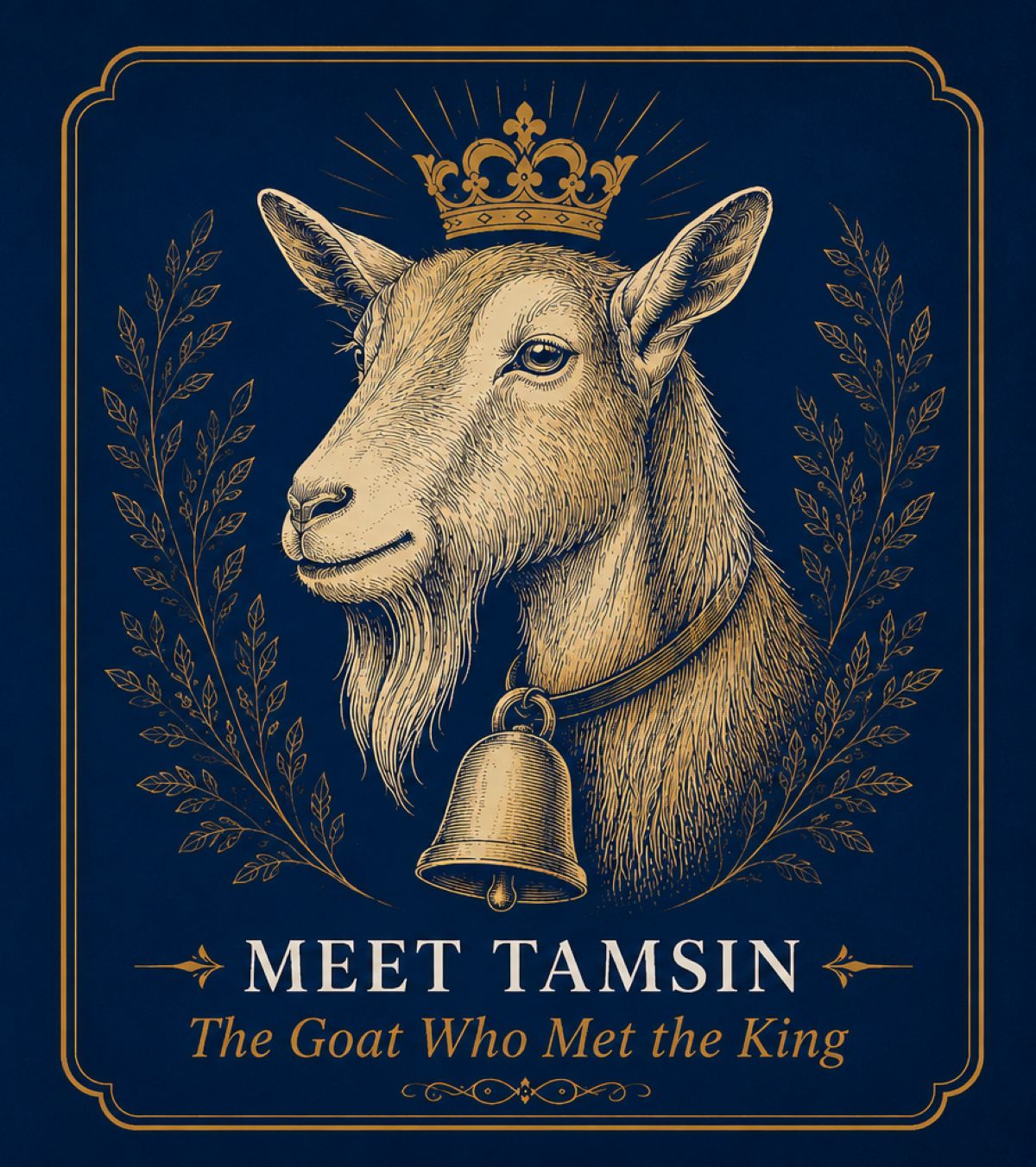
Eight-year-old Summerville Tamsin represented the breed during the Royal visit to Guernsey and received a special engraved bell from the King.
The Royal designation extends beyond the island: Golden Guernseys around the world share in the title.
The American Guernsey
With very few Golden Guernseys in America, breeders also grew the population by breeding Guernsey genetics to other registered dairy goats, then breeding successive generations back toward Guernsey.
Breed each generation back to a pure Guernsey and the percentage of Guernsey genetics increases.
At 87.5%, a qualifying doe may be registered as an American Guernsey with the American Dairy Goat Association (ADGA). Bucks require at least 93.75%, along with applicable pedigree and breed-standard requirements.
Eira Creek is focused on thoughtfully developing this American Guernsey population within the ADGA framework.
Meet the Breed
Their color gets attention, but there is much more that makes a Golden Guernsey distinctive.
01
Don't let all that hair fool you. Golden Guernseys were developed for milk and are known for producing rich, creamy milk.
02
Golden Guernseys are generally smaller than many familiar dairy breeds. Their moderate size is part of what makes the breed distinctive.
03
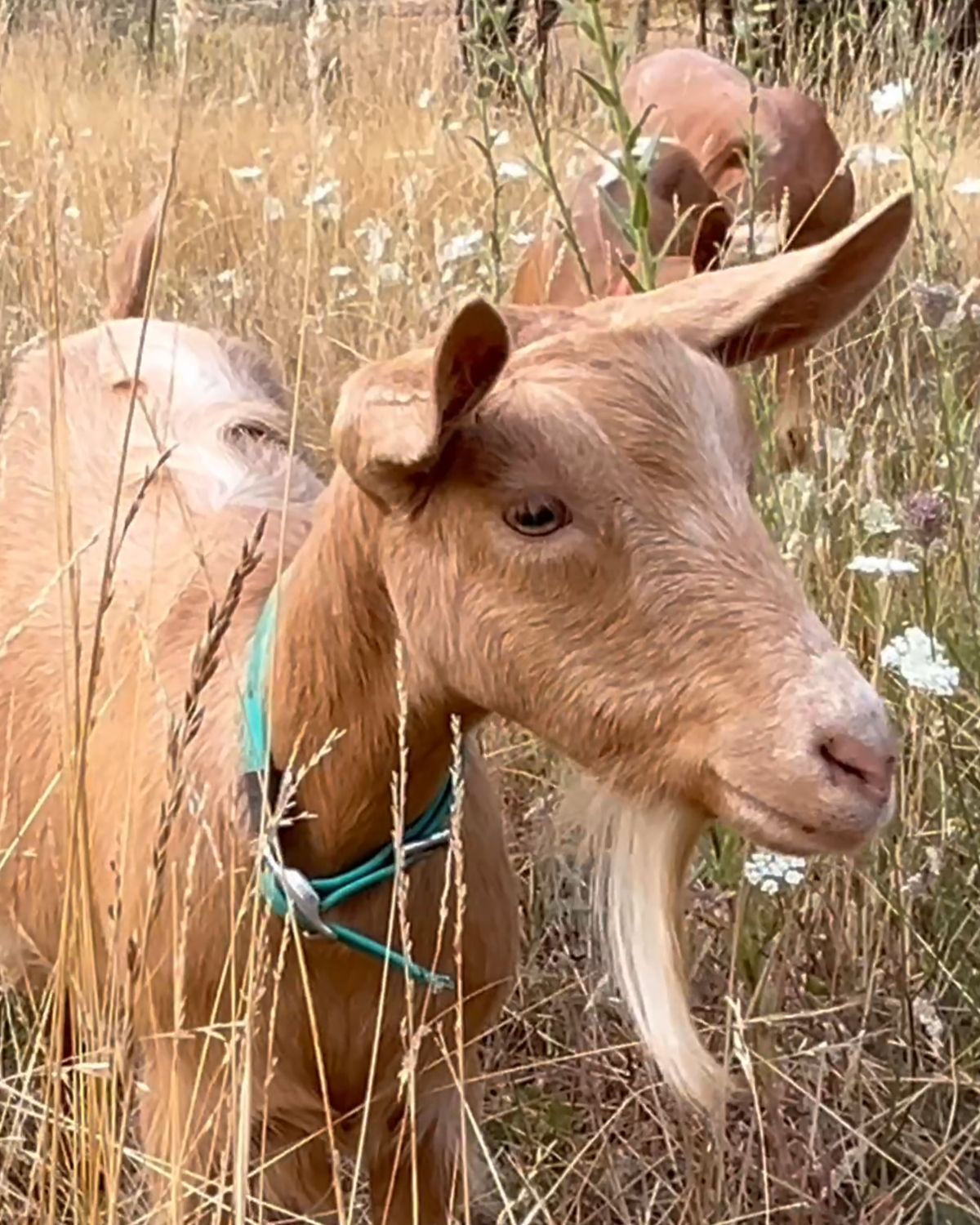
Golden doesn't mean every goat is the same color. Their coats range from pale cream to deep bronze.
04
Golden Guernseys are known for their calm, friendly, and affectionate nature.
That Hair Is All Natural
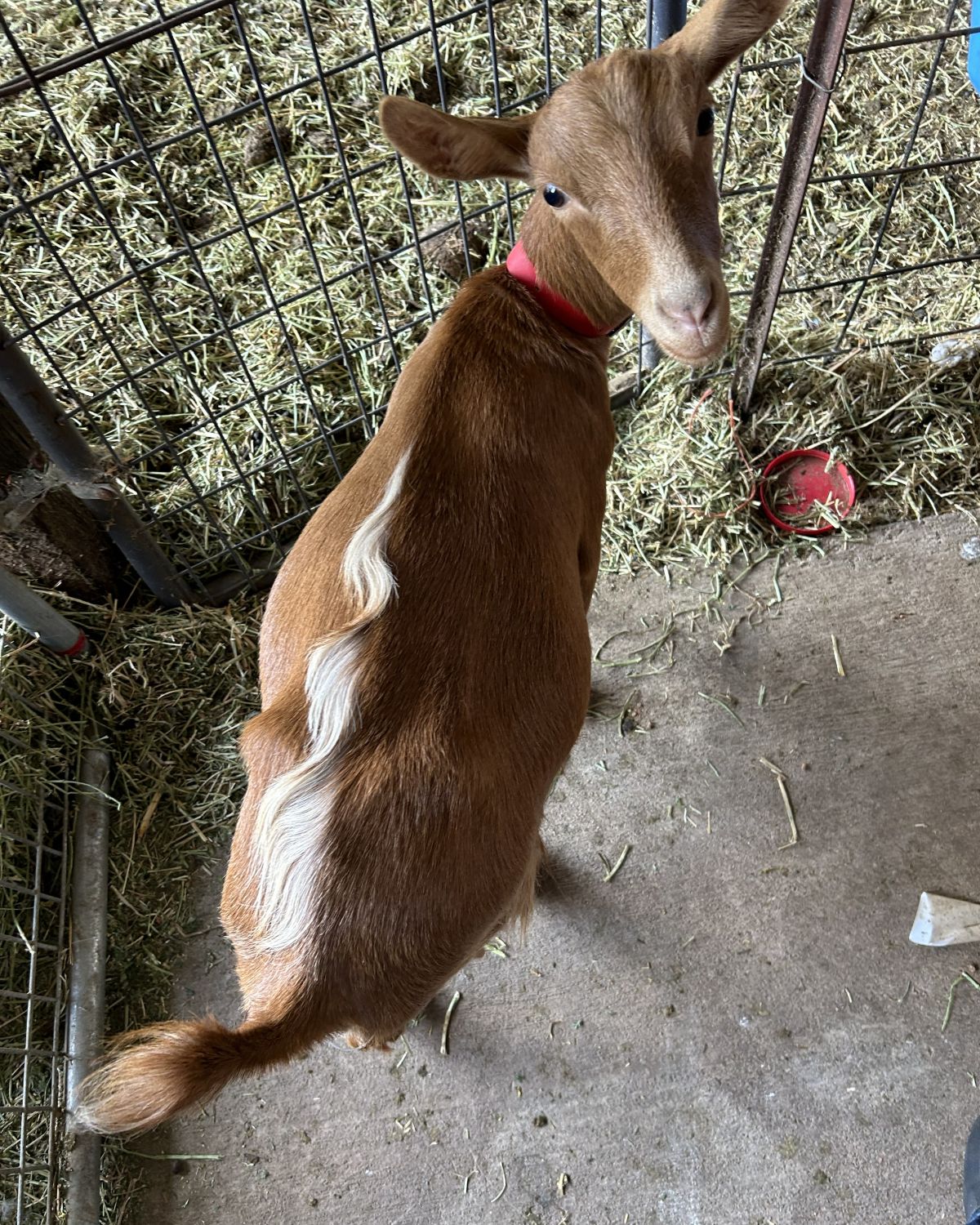
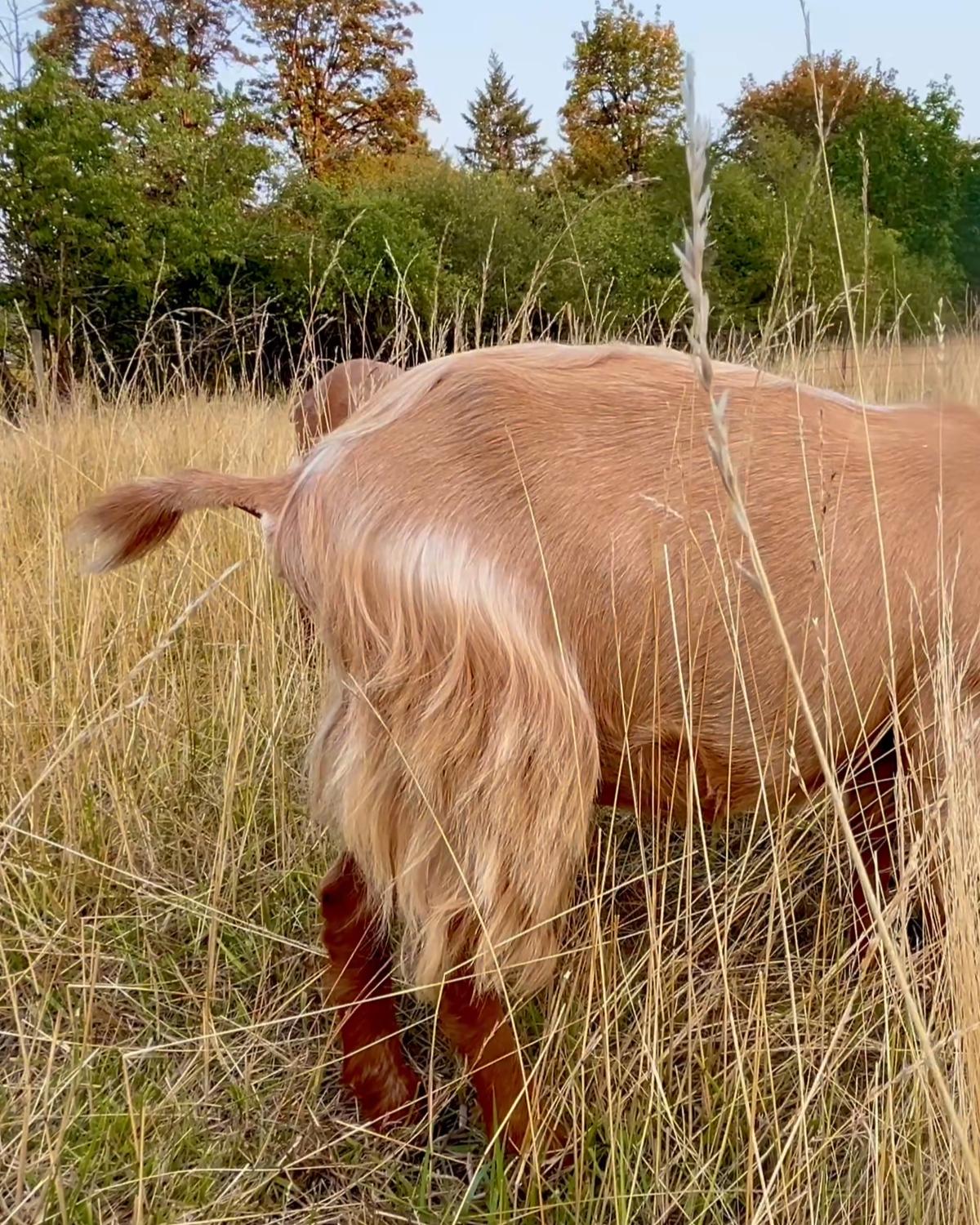
Golden Guernsey coats can range from short and sleek to wonderfully long and flowing, creating some distinctive looks along the way.
No Extensions Required
Golden Guernsey coats can range from short and sleek to long and flowing. Some grow spectacular fringes along their backs, legs, chests, and faces.
Time for the Beauty Salon!
Many dairy goats have their coats clipped short before a show. Golden Guernseys can keep their signature hair, with coats brushed, conditioned, and tidied for the ring.
Goat Science
Some of the strangest things about Golden Guernseys aren't Guernsey things at all. They're goat things.
Those sideways rectangles are their pupils. Their unusual horizontal shape gives goats a super-wide view, helping them watch for danger even with their heads down eating.
Goats bring partly digested food, called cud, back up to chew it again. This helps them get more nutrition from tough plants.
Not quite! Goats have one stomach with four compartments that work together to break down their food.
Goats have eight lower front teeth but no upper front teeth. Instead, they have a tough dental pad on top.
Goats are browsers, and blackberries are a favorite. What many Oregonians see as a stubborn invasive weed, goats see as an all-you-can-eat buffet.
Smarter Than You Think
Goats can learn complicated tasks, remember solutions, recognize familiar individuals, and communicate with one another. Mothers and kids even learn each other's voices.
Their Future
Golden Guernseys survived against the odds, but they remain a rare breed today.
Breeders around the world are working to grow healthy populations while protecting the temperament, dairy qualities, moderate size, golden coats, and distinctive character that make these goats so special.
At Eira Creek, we're grateful to be one small part of what comes next.